
Tag: Body Fitness

  • 5 Daily Yoga Poses That Can Build Core Strength Faster Than Traditional Workouts

    5 Daily Yoga Poses That Can Build Core Strength Faster Than Traditional Workouts

    5 Daily Yoga Poses: A strong core is not only about visible abs. Fitness experts say that core muscles support the spine, improve posture, enhance balance, and reduce the risk of back pain. When these muscles are weak, even simple activities like sitting for long hours, lifting objects, or walking can put extra pressure on the lower back.

    Health trainers now emphasize that a short daily yoga routine may help strengthen core muscles effectively without requiring complex gym equipment or intense workouts. A few carefully chosen yoga poses practiced consistently can improve stability, flexibility, and overall body strength.

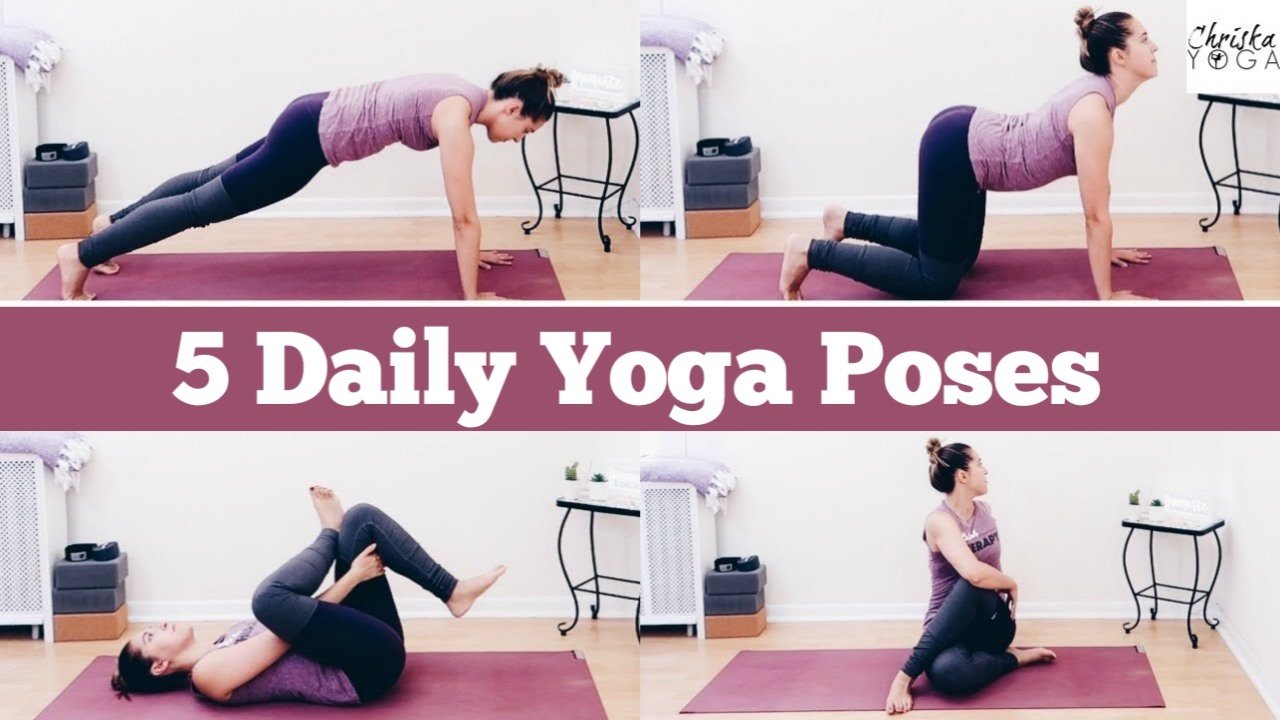
    Below are five powerful yoga poses that can help build core strength quickly when practiced daily.

    1 – Plank Pose (Core Stability Exercise)

    The Plank Pose (Plank Hold) is considered one of the most effective exercises for strengthening the entire core area. It activates the abdominal muscles, shoulders, arms, and even the legs.

    To perform the pose, start on your hands and knees and extend your legs backward so the body forms a straight line from head to heels. Engage your abdominal muscles by gently pulling your stomach inward and hold the position for 20–40 seconds.

    Regular practice helps improve posture, strengthens the spine, and increases body stability. Experts note that holding a plank for short durations daily can gradually build endurance in the core muscles.

    2 – Boat Pose (Deep Abdominal Activation)

    The Boat Pose (Navasana) is a classic yoga posture known for directly targeting the deep abdominal muscles. It also improves balance and strengthens the hip flexors.

    To perform it, sit on the floor with knees bent and feet flat. Lean slightly backward while keeping the spine straight, then lift your feet off the ground. Extend your arms forward at shoulder height and hold the balance for about 15–30 seconds.

    This pose forces the body to engage the abdominal muscles continuously, making it an effective way to develop core strength and control. Fitness instructors often recommend it as a key pose in core-strengthening yoga routines.

    3 – Forearm Plank (Advanced Core Engagement)

    The Forearm Plank (Elbow Plank) is a variation of the traditional plank that intensifies core activation while placing less pressure on the wrists.

    In this pose, the body weight is supported on the forearms instead of the palms. The elbows should be positioned directly under the shoulders, and the body should remain aligned from head to heels.

    Holding this position for 20–45 seconds activates deep stabilizing muscles in the abdomen and lower back. It is widely recommended for athletes and individuals aiming to improve endurance and core control.

    4 – Warrior III (Balance and Core Control)

    The Warrior III Pose (Balance Pose) challenges both stability and concentration. While it appears to focus on the legs, the core muscles are heavily engaged to maintain balance.

    To perform it, stand upright and shift your weight onto one leg. Lean forward from the hips while lifting the other leg behind you. Extend your arms forward or keep them at your sides, forming a straight line from head to heel.

    Holding this position strengthens the abdominal muscles while improving coordination and body awareness. It also trains the body to maintain balance during daily movements.

    5 – Bridge Pose (Core and Lower Back Support)

    The Bridge Pose (Setu Bandhasana) is often associated with strengthening the lower back and glutes, but it also plays a crucial role in engaging the core.

    To perform the pose, lie on your back with knees bent and feet placed hip-width apart. Press your feet into the floor and lift your hips upward while tightening your abdominal muscles.

    Holding the bridge for about 30 seconds can strengthen the lower back, activate the core, and improve spinal stability. Experts say it also helps reduce tension in the lower back after long periods of sitting.

    Why Yoga Is Effective for Core Strength

    Unlike traditional abdominal workouts that rely on repetitive movements like crunches, yoga focuses on isometric holds and controlled breathing (core engagement techniques). These methods activate deep stabilizing muscles around the spine and pelvis.

    As a result, yoga-based core training not only strengthens the abdominal muscles but also improves posture, balance, and overall body control. Consistent practice for even 10–15 minutes daily can gradually produce noticeable improvements in strength and flexibility.

    The Bottom Line

    Fitness experts suggest that building a strong core does not always require heavy gym workouts or complicated equipment. Simple yoga poses practiced daily can effectively strengthen the body’s central muscles while improving balance and posture.

    Incorporating poses such as Plank, Boat Pose, Forearm Plank, Warrior III, and Bridge Pose into a daily routine may help individuals develop better core stability, reduce back discomfort, and enhance overall physical performance.

    With consistency and proper alignment, these five yoga poses can become a powerful foundation for long-term strength and wellness.

  • 8 Simple Bedtime Yoga Stretches That May Help You Fall Asleep Faster and Sleep Deeper

    8 Simple Bedtime Yoga Stretches That May Help You Fall Asleep Faster and Sleep Deeper

    8 Simple Bedtime Yoga Stretches: in an age where late-night scrolling and busy schedules often disrupt sleep routines, wellness experts say a short evening stretching routine may help body relax before bed. Gentle nighttime yoga (bedtime yoga routine) is increasingly being recommended as a natural way to release muscle tension, calm the mind, and prepare the body for deeper rest.

    Health and lifestyle platforms have recently highlighted a set of simple stretches that many people incorporate into their nightly routine to support better sleep quality. These movements are slow, beginner-friendly, and typically take only 10–15 minutes to perform. When practiced regularly, they may help signal to the body that it is time to wind down for the night.

    Below are eight commonly recommended bedtime yoga stretches that are widely used to encourage relaxation and restful sleep.

    Yoga StretchOther NameMain BenefitBest Time
    Child’s PoseBalasanaRelaxes lower back and calms the mindBefore bedtime
    Seated Forward FoldPaschimottanasanaStretches spine and reduces body tensionNight routine
    Legs Up the WallViparita KaraniImproves circulation and reduces fatigueEvening or bedtime
    Supine Spinal TwistSupta MatsyendrasanaReleases tension in spine and lower backBefore sleep
    Cat–Cow StretchMarjaryasana–BitilasanaImproves spinal flexibility and breathingEvening relaxation
    Butterfly PoseBaddha KonasanaOpens hips and relieves stressNight yoga session
    Happy Baby PoseAnanda BalasanaStretches hips and relaxes lower backBedtime stretch
    Corpse PoseSavasanaFull body relaxation and mental calmEnd of yoga routine

    Child’s Pose (Balasana)

    Child’s Pose is considered one of the most calming yoga positions. In this pose, the body gently folds forward while resting on the knees.

    This stretch helps relax the lower back and shoulders while encouraging slow breathing. The position also promotes a sense of grounding, which can help quiet racing thoughts before bedtime.

    Seated Forward Fold (Paschimottanasana)

    The Seated Forward Fold involves sitting with legs extended and gently bending forward from the hips.

    This movement stretches the spine and hamstrings while reducing tension accumulated from sitting throughout the day. Many yoga practitioners say the stretch helps relax the nervous system and create a calmer mental state before sleep.

    Legs Up the Wall (Viparita Karani)

    One of the most popular nighttime relaxation poses is “Legs Up the Wall.”

    In this posture, you lie on your back while extending your legs vertically against a wall. The gentle inversion may improve circulation and relieve tired legs after a long day of standing or walking.

    Many people practice this pose for several minutes as a calming transition into bedtime.

    Supine Spinal Twist

    The Supine Twist involves lying on the back and slowly rotating one knee across the body.

    This stretch targets tension in the spine and lower back. Twisting movements are also believed to encourage deeper breathing and relaxation, which can help the body prepare for sleep.

    Cat–Cow Stretch (Marjaryasana–Bitilasana)

    The Cat–Cow sequence is a gentle flowing movement performed on hands and knees.

    By alternating between arching and rounding the spine, this stretch releases stiffness from the back and shoulders. The rhythmic breathing used during the movement can also help reduce stress and calm the nervous system.

    Butterfly Pose (Baddha Konasana)

    Butterfly Pose focuses on opening the hips. In this position, the soles of the feet touch while the knees relax outward.

    This stretch helps release tension stored in the hips and thighs, areas where stress often accumulates. Practicing slow breathing during the pose can enhance its relaxing effect.

    Happy Baby Pose (Ananda Balasana)

    Happy Baby Pose is a playful yet relaxing stretch performed while lying on the back and holding the feet.

    The pose gently stretches the hips, lower back, and inner thighs. Some practitioners also rock slightly from side to side, which can help loosen the lower spine and encourage relaxation.

    Corpse Pose (Savasana)

    Often used at the end of yoga sessions, Corpse Pose is one of the simplest yet most restorative positions.

    In this posture, you lie flat on your back with arms relaxed at your sides while focusing on natural breathing. The goal is complete physical and mental relaxation, allowing the body to settle into a restful state.

    Why Gentle Yoga Before Bed May Help

    Sleep specialists often emphasize the importance of a consistent nighttime routine (sleep hygiene). Gentle stretching combined with controlled breathing can help reduce physical tension and activate the body’s relaxation response.

    Short yoga routines before bed are designed to calm the mind rather than energize the body. Experts generally recommend slow movements, dim lighting, and avoiding intense workouts late at night.

    While individual results vary, many people report that practicing a short bedtime yoga sequence several nights a week helps them unwind more easily and fall asleep faster.

    A Simple Night Routine

    For beginners, a 10- to 15-minute bedtime yoga routine may include three to five of these poses combined with slow breathing. Consistency is considered more important than intensity.

    Wellness professionals note that incorporating calming habits—such as yoga stretches, reduced screen time, and relaxation breathing—can gradually support better sleep patterns over time.

    Although yoga is not a medical treatment for insomnia, it can be a helpful lifestyle practice that promotes relaxation and overall well-being.