
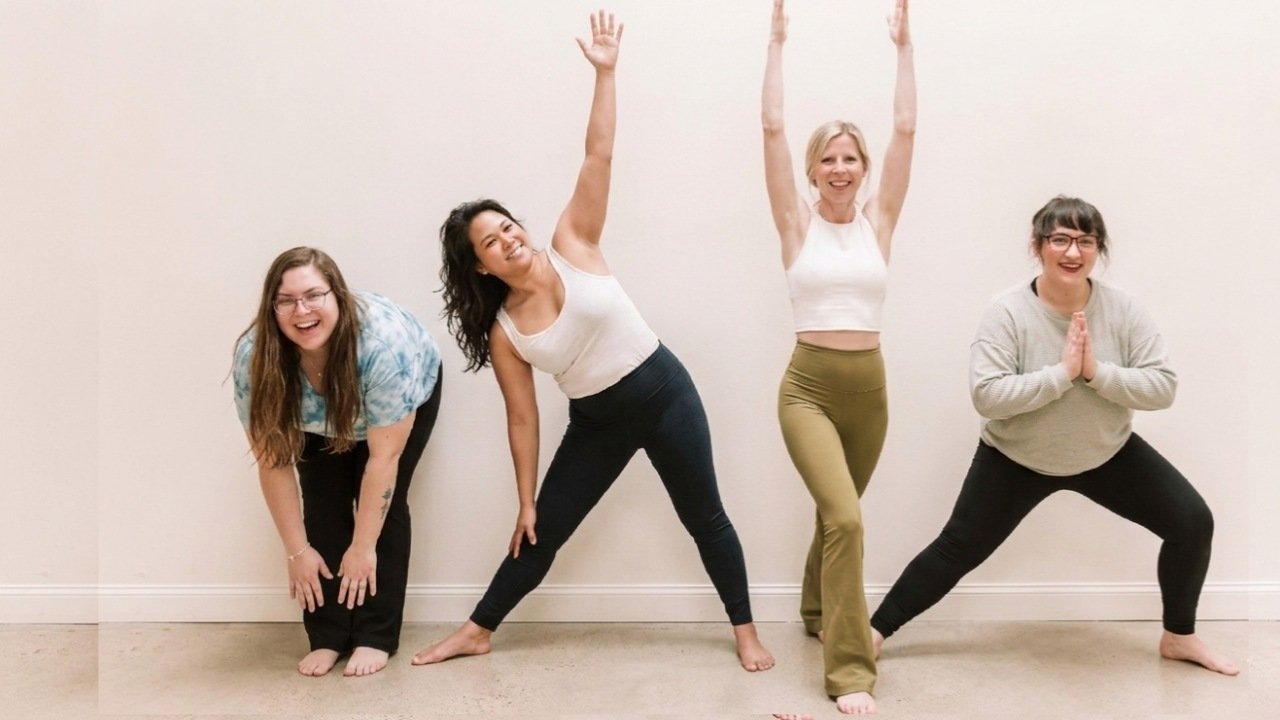
4 Simple Yoga Poses: In recent years, health experts across the United States have increasingly highlighted the connection between lifestyle habits and chronic inflammation. Long-term inflammation has been associated with several health concerns, including joint discomfort, fatigue, and slower recovery from injuries. While medical treatment remains essential, wellness specialists say certain gentle practices like yoga may help support the body’s natural healing process.
According to wellness guidance shared by health and skincare platform reports, a few therapeutic yoga movements can promote relaxation, improve circulation, and potentially help the body manage inflammation more effectively. These poses focus on gentle stretching, mindful breathing, and nervous system support—elements commonly linked with improved recovery and stress reduction (holistic wellness).
Below are four yoga poses frequently recommended for individuals looking to support their body’s natural anti-inflammatory response.
Child’s Pose (Balasana): A Gentle Reset for the Body
Child’s Pose is widely known as a restorative yoga position that encourages deep relaxation. In this pose, practitioners kneel and lower their torso forward while resting the forehead on the mat.
This posture gently stretches the lower back, hips, and thighs while helping calm the nervous system (stress reduction). Slow breathing in this position may help reduce tension stored in the body. Some wellness practitioners believe that when the body shifts into a relaxed state, it may better regulate inflammation and promote recovery.
Because it requires minimal effort, Child’s Pose is often recommended for beginners or people experiencing physical fatigue.
Cat-Cow Stretch: Supporting Spinal Mobility
The Cat-Cow movement is a flowing yoga sequence that alternates between arching and rounding the spine. It is commonly used in yoga therapy to increase spinal mobility and release tension in the back and neck.
During the movement, practitioners inhale while lifting the chest into “Cow Pose” and exhale while rounding the back into “Cat Pose.” This rhythmic motion helps coordinate breath and movement (mind-body connection).
Regular practice may improve circulation around the spine and encourage better posture. Improved mobility and reduced muscular tension may indirectly support the body’s natural healing processes.
Seated Forward Fold: Stretching Key Muscle Groups
The Seated Forward Fold (Paschimottanasana) is another gentle pose that targets the hamstrings, lower back, and spine. In this position, practitioners sit with legs extended and bend forward slowly while keeping the spine lengthened.
This stretch helps release tight muscles that often accumulate tension from prolonged sitting or sedentary lifestyles (muscle relaxation). Yoga instructors frequently note that this pose also encourages inward focus and steady breathing.
By helping reduce physical tightness and stress levels, it may contribute to overall wellness and recovery support.
Legs Up the Wall: A Restorative Circulation Boost
One of the most relaxing restorative poses is “Legs Up the Wall” (Viparita Karani). Practitioners lie on their back while resting their legs vertically against a wall.
This posture requires almost no muscular effort and allows gravity to assist blood circulation from the lower body. Some wellness experts suggest that this gentle inversion may help reduce leg fatigue and support lymphatic flow (circulation support).
The pose is often recommended at the end of a yoga session because it encourages deep relaxation and recovery.
Why Gentle Yoga May Support Healing
Wellness experts frequently emphasize that chronic inflammation is influenced by multiple factors, including stress, inactivity, and poor sleep. Gentle yoga practices combine breathing exercises, stretching, and relaxation techniques that may positively influence these factors (mind-body wellness).
Although yoga should not replace medical treatment, incorporating short daily sessions may help improve flexibility, reduce stress, and support overall health.
For individuals exploring natural wellness routines, these four therapeutic yoga poses offer a simple starting point. As with any exercise program, beginners are generally encouraged to move slowly, listen to their body, and consult healthcare professionals if they have existing medical conditions.