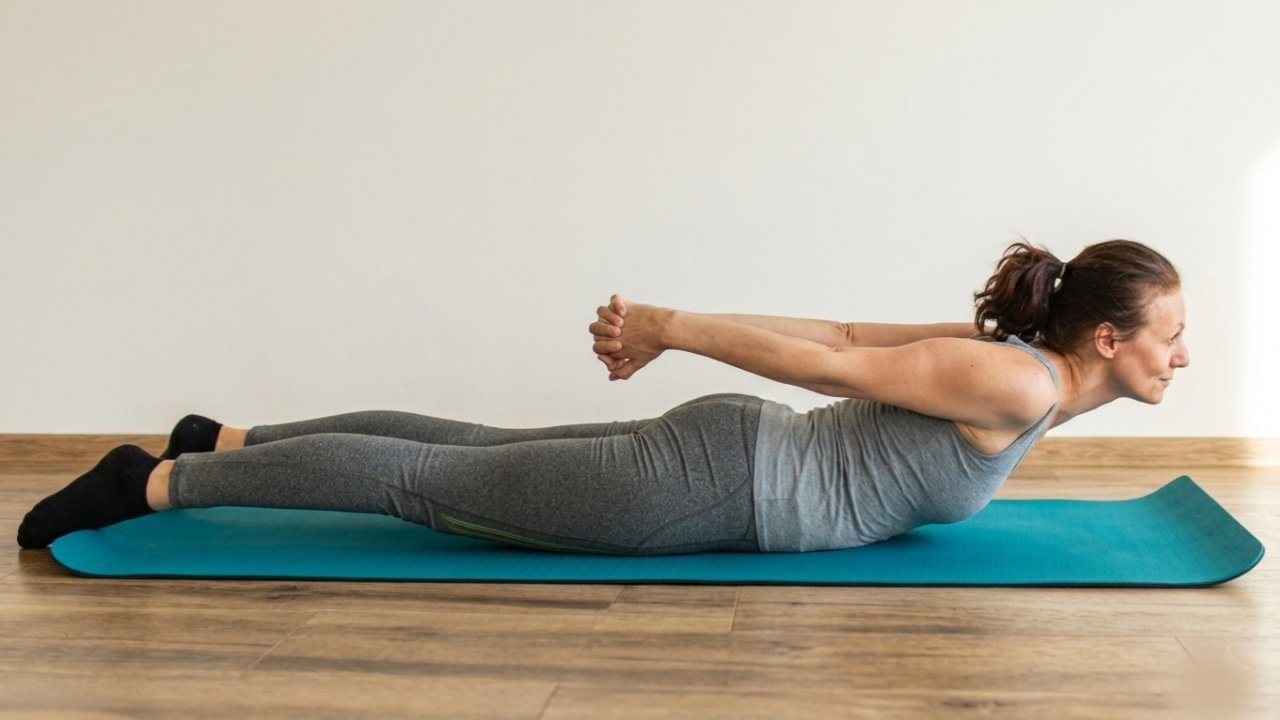
Many people end a long workweek with tight muscles, low energy, and lingering aches caused by prolonged sitting or intense workouts. Fitness experts say that a short mobility routine can help the body recover faster and restore movement. Recently, a Pilates instructor shared a simple full-body routine designed to ease tension, improve flexibility, and support overall recovery after demanding days.
According to the instructor, the routine combines gentle release techniques with controlled movements that target the entire body. The goal is to encourage blood circulation, reduce muscle stiffness, and calm the nervous system so the body can rest and recover more effectively.
Why Mobility Work Matters After a Long Week
Health professionals often emphasize the importance of mobility exercises (full-body mobility routine) for people who spend long hours sitting or performing repetitive tasks. Over time, muscles can become tight while connective tissues surrounding them—known as fascia—lose flexibility.
Experts suggest that adding light stretching and stability movements to a weekly routine may help maintain joint range of motion and reduce discomfort caused by inactivity or stress. Foam rolling and myofascial release techniques are commonly used methods to loosen tight areas and improve circulation.
This Pilates-based sequence focuses on gentle movements rather than intense training. It can be performed at home, even while relaxing in the evening or watching television.
Step 1 – Start With Gentle Muscle Release
The routine begins with about five minutes of preparation using a foam roller and massage ball (myofascial release).
The foam roller is used to slowly roll over areas such as the calves, quadriceps, and upper back. Moving slowly allows pressure to reach deeper layers of muscle tissue and can help increase blood flow.
After that, a small massage ball can be applied to the glutes and the soles of the feet. This helps target deeper tension points that may not be reached with a foam roller alone.
Step 2 – Perform Four Controlled Mobility Exercises
Once the body is warmed up, the main part of the routine begins. The instructor recommends performing each movement for about one minute with slow, controlled breathing.
- Windshield Wipers (hamstring and hip stretch)
This movement gently stretches the hamstrings, inner thighs, and IT band. It also encourages hip mobility and flexibility. - Seated Forward Fold (posture correction)
Often used in flexibility training, this exercise helps open the mid-back and counteract the rounded posture that many people develop from desk work. - Inverted Air Squat (core and hip mobility)
This controlled movement activates the lower abdominal muscles and pelvic floor while improving hip movement patterns. - Glute Bridge With Arm Extension (glutes and spinal support)
This exercise strengthens the glutes and hamstrings while also improving shoulder mobility and promoting healthy spinal alignment.
How Often Should You Do It?
Fitness professionals suggest repeating the four-exercise sequence two or three times depending on available time. The routine can also be modified using simple equipment such as a resistance band, Pilates ring, or even a towel.
Because the exercises are low-impact (Pilates mobility workout), they are generally suitable for recovery days or light evening sessions.
The Bottom Line
Mobility routines like this one highlight the growing focus on recovery in modern fitness programs. Instead of pushing harder workouts every day, many trainers now encourage balanced movement practices that include stretching, gentle strengthening, and relaxation.
While this short Pilates-inspired sequence may not replace a full workout, experts say it can serve as an effective reset for the body—helping people release tension, improve movement quality, and prepare for the week ahead.
For individuals experiencing persistent pain or injuries, consulting a healthcare professional before starting new exercise routines is recommended.
Leave a Reply