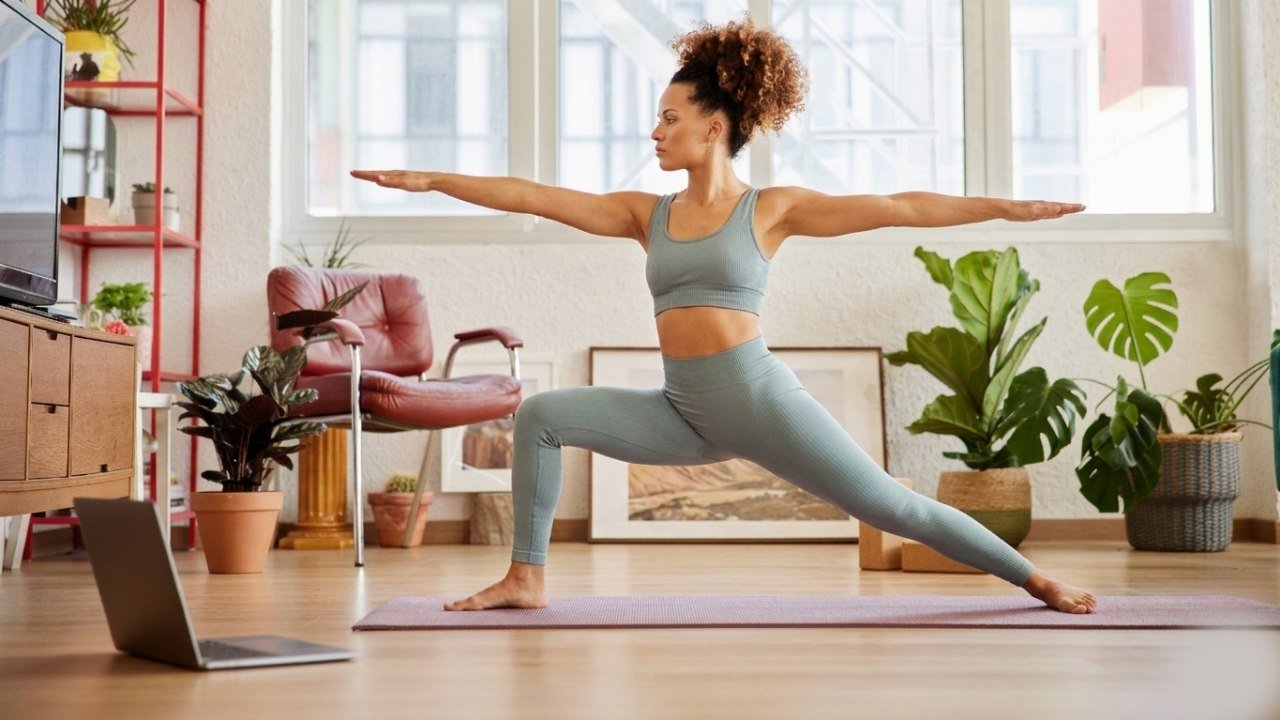
In today’s fast-moving lifestyle, many people struggle to find even a few minutes to slow down and relax. Long work hours, digital distractions, and daily responsibilities often leave both the body and mind feeling overwhelmed. However, wellness experts say that even a five-minute yoga routine (quick relaxation yoga) may help reduce stress and restore mental balance almost instantly.
Health and lifestyle platforms are increasingly highlighting the benefits of short yoga sessions that combine mindful breathing (breath awareness) with gentle stretching. These micro-workouts are designed for people who want fast stress relief without committing to a full-length yoga class. According to wellness guidance, a brief yoga flow can help calm the nervous system, release muscle tension, and improve overall focus in just a few minutes.
Why a 5-Minute Yoga Routine Is Trending
Short wellness routines are gaining popularity because they fit easily into busy schedules. Whether someone is working from home, sitting in an office, or dealing with a stressful day, a quick yoga sequence can act as a “mental reset” (stress relief practice).
Experts note that mindful breathing and slow movements activate the body’s relaxation response. When breathing slows down and muscles begin to release tension, the brain receives signals that it is safe to relax, which can quickly reduce stress levels.
This is why many wellness coaches recommend small “micro-breaks” that combine breathing techniques, gentle stretching, and restorative poses.
Step-by-Step, Simple 5-Minute Relaxation Yoga Flow
A typical five-minute yoga routine is designed to move gradually from breathing exercises to restorative poses. Each step generally lasts about one minute.
| Step | Yoga Pose | Sanskrit Name | Duration | Description | Main Benefits |
|---|---|---|---|---|---|
| 1 | Mindful Breathing | Pranayama | 1 Minute | Sit comfortably with a straight spine and focus on slow, deep breathing through the nose and mouth. | Calms the mind, reduces anxiety, improves focus and oxygen flow. |
| 2 | Cat-Cow Stretch | Marjaryasana – Bitilasana | 1 Minute | Move between arching and rounding the back while synchronizing breath with movement. | Improves spinal flexibility, releases tension in neck and shoulders. |
| 3 | Child’s Pose | Balasana | 1 Minute | Kneel and sit back on your heels while lowering the forehead to the mat or floor. | Relaxes the nervous system and gently stretches the back and hips. |
| 4 | Seated Forward Fold | Paschimottanasana | 1 Minute | Sit with legs extended forward and slowly fold your upper body toward your feet. | Stretches hamstrings and lower back, promotes relaxation. |
| 5 | Legs-Up-the-Wall Pose | Viparita Karani | 1 Minute | Lie on your back and place your legs vertically against a wall while keeping the body relaxed. | Improves blood circulation, reduces fatigue, promotes deep relaxation. |
1 – Breath Awareness (Mindful Breathing)
The routine often begins with slow, controlled breathing. Sitting comfortably with a straight spine, practitioners inhale deeply through the nose and exhale slowly through the mouth. This simple technique helps quiet racing thoughts and prepares the body for movement.
2 – Cat-Cow Stretch (Spinal Flow)
Next comes a gentle spinal movement known as Cat-Cow (Marjaryasana-Bitilasana). Moving between arching and rounding the back helps loosen the spine while coordinating breath with motion. This movement can release tension in the neck, shoulders, and upper back.
3 – Child’s Pose (Balasana)
Child’s Pose is a resting posture where the hips sink back toward the heels and the forehead rests on the floor or mat. The pose gently stretches the back and hips while encouraging deeper breathing, which can calm the nervous system.
4 – Seated Forward Fold (Paschimottanasana)
This pose involves sitting with legs extended and folding forward toward the feet. It provides a gentle stretch for the hamstrings and lower back—areas where stress often accumulates during long periods of sitting.
5 – Legs-Up-the-Wall Pose (Viparita Karani)
The final step is a restorative posture where the legs are placed vertically against a wall while the body rests on the floor. Wellness practitioners often describe this pose as deeply relaxing because it encourages circulation and allows the body to fully unwind.
Science Behind Short Relaxation Practices
Studies and wellness experts suggest that deep breathing (pranayama techniques) can slow heart rate and improve oxygen flow to the brain. These physiological responses help the body transition from a stress-driven state to a calmer, more balanced condition.
Even short sessions of mindful stretching or yoga can interrupt the body’s stress cycle. Instead of waiting for a long break or vacation, people can incorporate short relaxation moments into their daily routine.
Can Five Minutes Really Make a Difference?
While a five-minute yoga flow is not a replacement for a full exercise routine, many wellness professionals say it can still provide noticeable benefits. Quick relaxation practices may help improve mood, ease muscle stiffness, and promote mental clarity.
Because the routine requires no equipment and minimal space, it can be done almost anywhere—at home, at the office, or even during travel breaks.
A Growing Trend in Everyday Wellness
As people search for faster ways to manage stress, short wellness practices like “5-minute yoga reset” (micro yoga routine) are becoming increasingly popular. The idea is simple: instead of waiting for the perfect time to relax, take a few mindful minutes whenever the body needs it.
For many individuals juggling busy schedules, that brief pause could be enough to reset both body and mind and bring a sense of calm back into the day.
Leave a Reply